
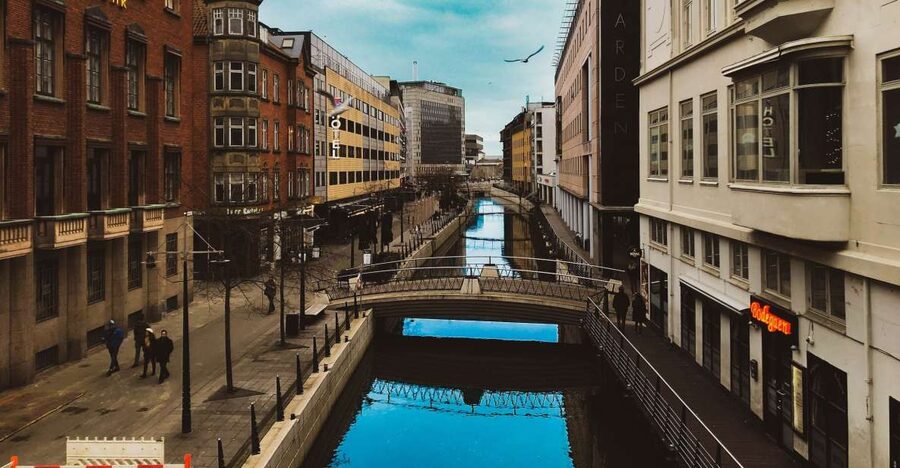
Reviewed · WALKING TOURS IN AARHUS
Aarhus: Surprise City Walking Tour with Local Guide
Aarhus reveals itself best on foot, and this 90-minute walk links the city’s oldest quarter with its art, architecture, and modern public spaces. You’ll move from narrow cobbled lanes to the soaring Aarhus Cathedral, then finish at Dokk1, a bold library and cultural center beside the harbor.
I like the way the route mixes old Aarhus and new Aarhus instead of keeping you in one historic pocket. I also like the private or small-group format, which can make it easier to ask about Danish culture, politics, food, and daily life. The main drawback is the price: at $128 per person, it feels costly if your guide gives only a basic stroll.
Key points to know
- Latinerkvarteret gives you the city’s most atmospheric start, with narrow lanes and old buildings.
- Møllestien is a short but memorable cobbled street that adds a storybook pause to the route.
- Aarhus Cathedral is Denmark’s tallest church, making it one of the clearest landmarks on the walk.
- Skovgaardsgade Bus Station adds an unexpected art stop to a traditional city tour.
- Dokk1 shows Aarhus looking forward, with a modern public library and cultural meeting place.
- The guide makes the difference, with especially strong experiences reported with Mikel and Kate, though the quality of the commentary can vary.
What the Aarhus walking tour is really about
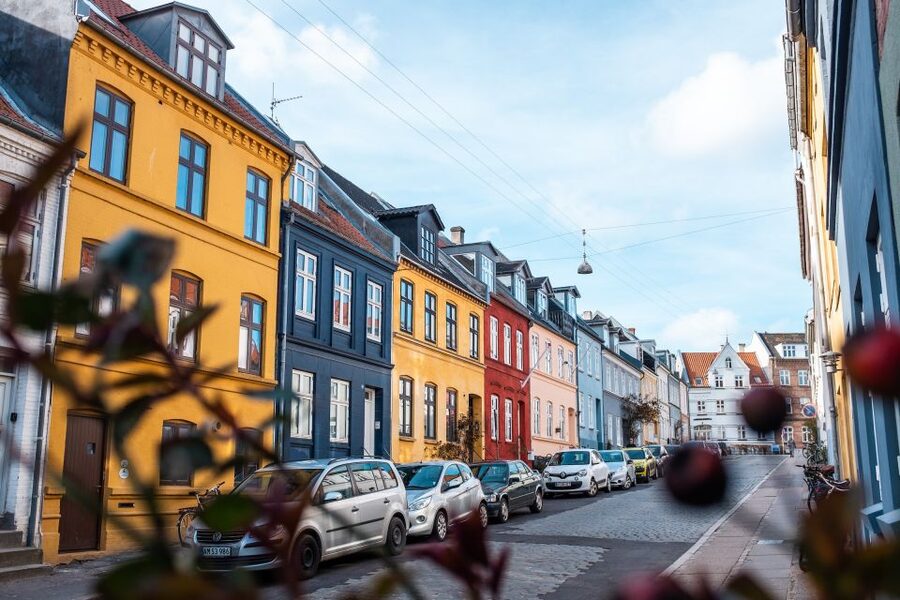
This is not a museum-heavy tour or a food tour with tastings. It is a compact orientation walk through central Aarhus, built around streets, buildings, public art, and local stories.
I would think of it as a first look at the city rather than a complete history lesson. In 90 minutes, you get enough structure to understand how Aarhus fits together, then you can return to the places that catch your eye.
The route is especially useful if you have just arrived and want to get your bearings without spending half a day on a formal sightseeing program. Your guide can add context to the streets you pass, explain local customs, and point out how older neighborhoods sit beside newer civic buildings.
The experience is offered in English or Danish. Private and small-group options are available, which matters here because the value depends heavily on conversation. A strong guide can turn an ordinary street corner into a useful lesson about Danish culture and politics. A less prepared guide may simply lead you from stop to stop.
More Walking Tours in Aarhus
- Aarhus Walking Tour: From Viking Village to Metropolis
★ 4.8 · 122 reviews - Historical Walking Tour in Aarhus
★ 4.5 · 35 reviews - Aarhus Walking Tour: Explore Top Sights & Hidden Gems
★ 4.0 · 34 reviews
Latinerkvarteret, where old Aarhus feels close at hand
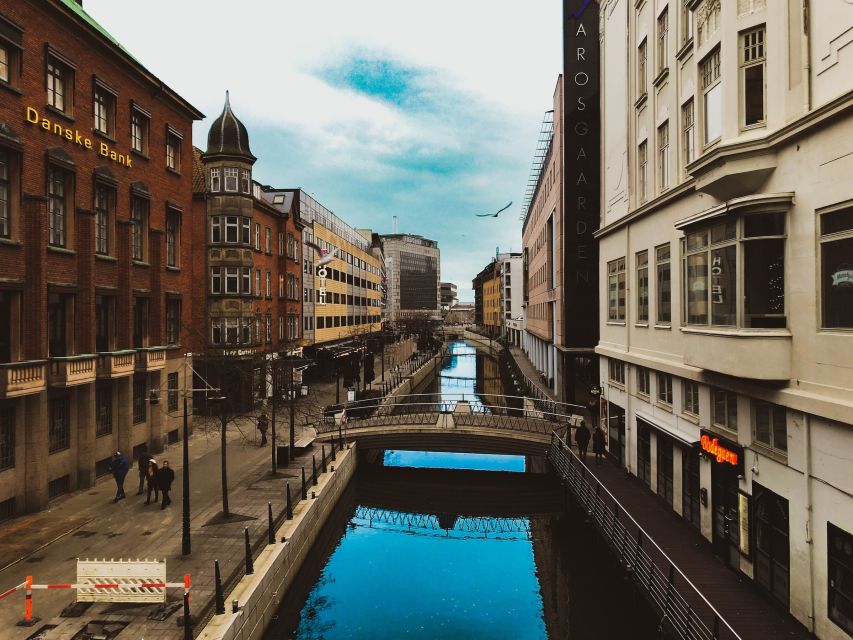
The walk begins in Latinerkvarteret, the oldest part of Aarhus. This is the section where the city’s age is easiest to feel, thanks to cobbled streets, narrow alleys, and historic buildings packed closely together.
I like this as the opening stop because it gives you an immediate contrast with the larger modern city beyond it. You are not looking at one isolated monument. You are walking through a neighborhood whose appeal comes from its scale and details.
Expect your guide to tell stories about Aarhus as you move through the quarter. The supplied information does not promise a fixed set of buildings or a formal historical lecture, so you should see this as a flexible neighborhood walk rather than a checklist of named monuments.
That flexibility can work in your favor. A private guide may adjust the pace or spend longer on a building, street, or question that interests you. It can also expose the tour’s weak point: if the commentary stays general, you may feel you are simply strolling through an attractive part of town.
The best approach is to arrive with a few questions. Ask how the old quarter fits into present-day Aarhus, what local life is like, or how the city has changed. The format gives you a chance to make the tour more personal, but you need to speak up if you want more than a broad introduction.
Skovgaardsgade Bus Station brings art into the route
The stop at Skovgaardsgade Bus Station is an unusual choice, and that is exactly why I like it. Instead of filling the walk with only churches and old houses, the route pauses at a working urban space decorated with an eclectic collection of artwork.
This stop gives you a quick look at the city’s public art scene. It also reminds you that art in Aarhus is not limited to galleries or major cultural institutions. A bus station can become part of the visual character of the city.
Do not expect a long gallery visit here. The attraction is the artwork itself and the chance to see how an everyday transport setting has been given a more creative feel. Your guide may help you notice details you would otherwise pass without a glance.
For photographers, this can be one of the more useful stops. The setting offers something different from the expected old-town pictures, though the experience will depend on the artwork visible at the time of your visit and on how much explanation your guide provides.
Møllestien offers the walk’s most charming pause

Møllestien is a quaint cobblestoned street and one of the route’s most appealing short stops. Its narrow scale and old-fashioned character make it a natural place to slow down and take pictures.
I would not plan on spending a large part of the 90 minutes here. Møllestien is a brief visual highlight, not a full attraction with a long program. Its value comes from the contrast it creates with the wider streets and modern buildings elsewhere on the route.
Cobbles can be uneven, so comfortable shoes are more than a polite suggestion. They also matter because the entire experience is on foot. The activity is not suitable for people with mobility impairments, and anyone who dislikes uneven pavement should consider that before booking.
Møllestien also shows why a local guide can be useful. Without context, you may simply see a pretty lane. With a good explanation, you may understand how this small street fits into the older pattern of Aarhus and why it remains such a recognizable part of the center.
Same city, a completely different kind of day:
- Street Art and Rooftops of Aarhus, Denmark
★ 5.0 · 62 reviews - The Ancient Viking Stronghold of Aros: A Self-Guided Audio Tour in Aarhus
★ 4.0 · 36 reviews - Aarhus Craft BeerWalk
★ 4.7 · 19 reviews - Time travel in Aarhus
★ 4.5 · 18 reviews
Aarhus Cathedral gives the route a clear landmark
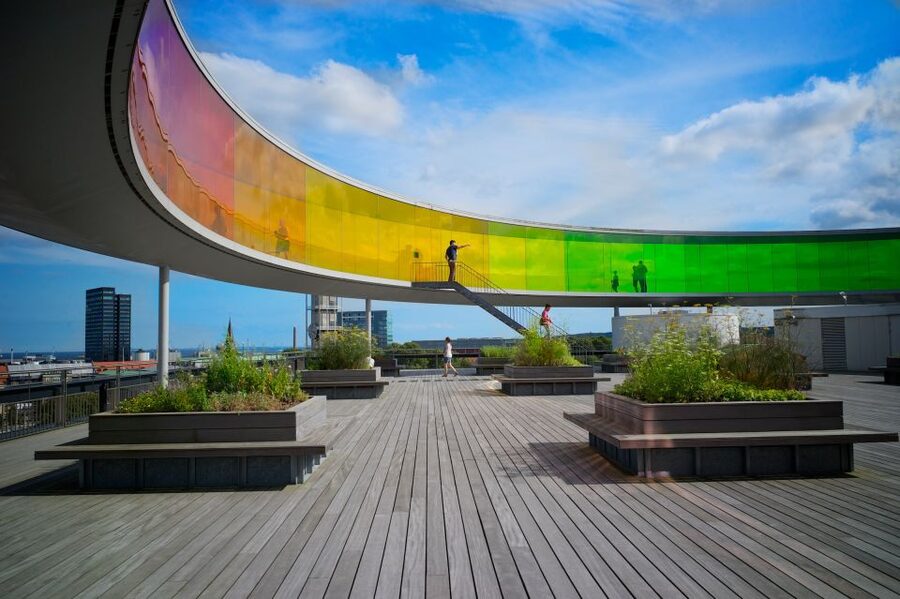
Aarhus Cathedral is the tallest church in Denmark, and its scale gives the middle of the walk a strong focal point. After the low buildings and tight streets of the old quarter, looking up at the cathedral changes the pace.
The tour takes in the cathedral from the walking route. The supplied details do not promise an interior visit, entry ticket, or guided church tour, so you should not book this experience expecting extended time inside.
Even from outside, the cathedral helps you understand the shape of central Aarhus. It is a major reference point, and your guide can connect the building to the streets around it and to the city’s wider story.
This is also the kind of stop where a guide’s preparation matters. One person may offer useful detail about the cathedral and its place in Danish culture. Another may provide only a quick look and move on. The mixed guide experiences make it sensible to judge the tour as a personal introduction, not as a specialist architectural course.
Dokk1 shows the modern side of Aarhus
The final stop is Dokk1, the public library and cultural center. This is a smart ending because it moves the tour away from old streets and grand religious architecture into a modern public space.
Dokk1 represents a different side of Denmark: open civic buildings, books, public services, and shared cultural life. You are not simply finishing at another historic monument. You are seeing how Aarhus presents itself as a contemporary city.
I like this ending because it gives the route a sense of range. Latinerkvarteret and Møllestien show the older city, while Dokk1 points toward the present. The contrast helps explain why Aarhus can feel both intimate and forward-looking within a short walking distance.
Again, the experience is mainly about seeing and understanding the setting. Food, drinks, snacks, and personal expenses are not included, so plan to handle those separately. If Dokk1 sparks your interest, you can make a separate visit after the tour rather than trying to turn this short stop into a full library visit.
How much local insight will you get?
The strongest reason to book this walk is the possibility of a good conversation. Several guide experiences have been especially positive, including strong praise for Mikel’s explanations of Danish culture and political life, and for Kate’s warm approach. Another guide was valued for adapting the walk to personal interests.
That tells me the tour can work well for people who want more than monuments. If you ask about Denmark’s political system, local customs, or how Aarhus functions today, you may get the sort of context that a printed guidebook cannot provide as naturally.
But you should keep your expectations measured. One private booking felt overpriced because the guide could not answer simple questions and offered little historical detail. That is an important warning, especially when the price is $128 per person.
A private format does not automatically guarantee expert commentary. It gives you more room to ask questions and shape the walk, but the guide still needs to bring strong preparation. I would book this for access to a local perspective, not because every stop comes with a detailed lecture.
The $128 price and who gets good value
At $128 per person, this is a premium price for a 90-minute city walk. The price makes the most sense for a private or small group that values personal attention and can use the guide for questions about Aarhus and Denmark.
For one person or a couple, the cost may feel high if you mainly want to see the landmarks. You can walk through central Aarhus independently, photograph Møllestien, see the cathedral, and visit the outside of Dokk1 without paying for a guide.
The value improves if you are new to the city, have limited time, or want a local person to connect the sights. It also improves when the guide adjusts the route and explains subjects you care about. A family or small private group may appreciate not having to match the pace of a large tour.
I would be more cautious if you expect a specialist history tour, a long cathedral visit, or included food. None of those are promised. This is a short guided walk, and its worth rests on the quality of the conversation.
The booking terms do offer useful flexibility. You can reserve now and pay later, and cancellation up to 24 hours before the experience qualifies for a full refund. Starting times depend on availability, so check the schedule before planning the rest of your day.
Weather, pace, and practical comfort
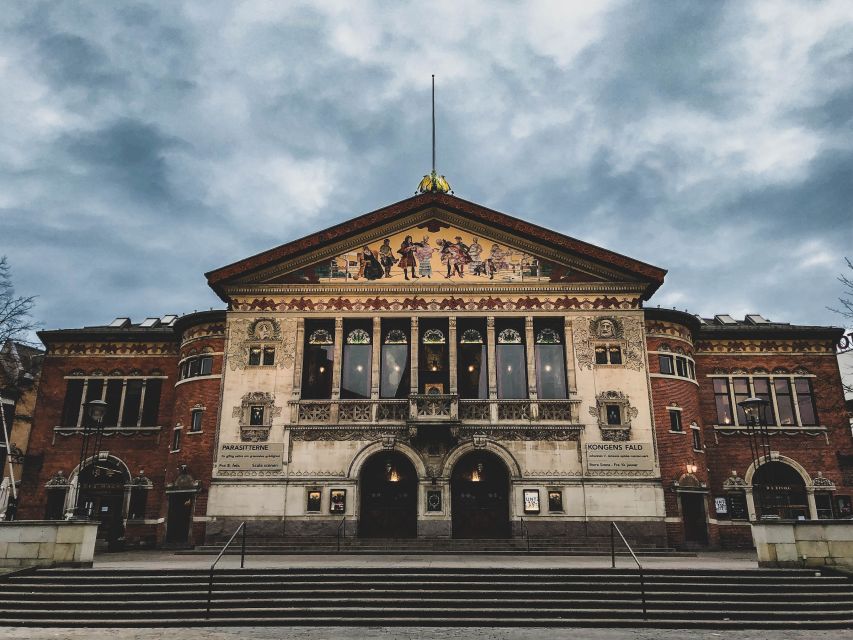
Aarhus weather can make a walking tour feel very different from one day to the next. The route is outdoors, and rain can reduce the pleasure of cobbles, bus-station art, and open streets. One poor-weather experience led to the view that an indoor program would have been better.
I would check the forecast before booking, especially if you have only one day in Aarhus. Bring comfortable shoes and a fully charged smartphone. The phone is listed as something to bring, though the information does not specify whether it is needed for navigation, communication, or photographs.
The 90-minute duration is manageable for most people who enjoy walking, but the activity is not suitable for people with mobility impairments. Cobblestones are part of the route, particularly around Latinerkvarteret and Møllestien.
There is no mention of transport during the experience, so plan on walking between the stops. Food and drinks are also not included. If you want a snack or coffee, arrange that before or after the tour rather than expecting a built-in break.
Who should book this Aarhus walk?
I would recommend it most strongly to first-time visitors who want a quick introduction with a local voice. It suits you if you enjoy city streets, architecture, public art, and questions about how people live today.
It is also a good match for visitors who prefer private or small-group touring. You can ask for more detail, request a slower pace, or focus the conversation on Danish culture and politics.
I would think twice if your main goal is a detailed historical tour. The route contains worthwhile sights, but the content can be general. The price is difficult to justify when the guide gives only basic information.
I would also skip it if heavy rain is likely or if uneven cobblestones will be uncomfortable. Aarhus offers plenty of indoor attractions, but this experience depends on being outside and walking at a steady pace.
My final take on the 90-minute route
This is a well-shaped introduction to Aarhus, moving from Latinerkvarteret’s old streets to modern Dokk1 with art, Møllestien, and the cathedral in between. I like the range. You get more than a standard monument walk, and the route gives you a quick sense of how the city blends older neighborhoods with present-day public life.
The deciding factor is the guide. Mikel and Kate are examples of the kind of friendly, informed presence that can make this format work, while weaker commentary can leave the tour feeling like an expensive stroll.
Book it if you value conversation, want a private or small-group setting, and have a clear interest in Aarhus beyond taking photographs. If you only want to see the main sights, save the $128 and explore independently. If you do book, arrive ready with questions. That is the best way to get full value from the time.
FAQ
How long does the Aarhus walking tour last?
The tour lasts 90 minutes.
What languages are available?
The live guide can conduct the tour in English or Danish.
Is the tour private or shared?
Private and small-group options are available.
What places are included on the route?
The route includes Latinerkvarteret, Skovgaardsgade Bus Station, Møllestien street, Aarhus Cathedral, and Dokk1 public library.
Is food or drink included?
No. Food, drinks, snacks, and personal expenses are not included.
What should I bring?
Bring comfortable shoes and a charged smartphone.
Is the tour suitable for people with mobility impairments?
No. The activity is listed as unsuitable for people with mobility impairments.
Can I cancel for a refund?
Yes. You can cancel up to 24 hours in advance for a full refund.
Can I reserve now and pay later?
Yes. The activity allows you to reserve your place and pay later.
Just added around Aarhus
- Time travel in Aarhus★ 4.5 · 18 reviews
- Surprise Walk of Aarhus with a Local★ 4.5 · 4 reviews
- Explore Aarhus in 60 minutes with a Local★ 4.0 · 14 reviews
- Aarhus Self guided Mystery hunt Sabotage in Danish★ 4.5 · 3 reviews
- Aarhus: Express Walk with a Local in 60 minutes★ 4.8 · 3 reviews
- Aarhus: 1 or 1,5 Hour Boat Rental – No License Required★ 4.3 · 8 reviews
- Aarhus: Insta-Perfect Walk with a Local★ 4.9 · 4 reviews
- Aarhus Craft BeerWalk★ 4.7 · 19 reviews
Walking Tours in Aarhus, compared.
Aarhus Walking Tour: From Viking Village to Metropolis
Read our review →
Aarhus Walking Tour: Explore Top Sights & Hidden Gems
Read our review →

Browse the lists this tour appears in