
Reviewed · ESCAPE ROOMS
SHERLOCK Escape Room
The clever twist here is that your group begins split between two rooms, so you must describe clues, objects, and locations to teammates you cannot see. I like the generous 120-minute game time and the costumed acting that gets the story moving before the puzzles begin. The main drawback is difficulty: small groups can struggle, and the challenge may frustrate you if you prefer a quick, easy escape room.
I also like that the room is private, so your team does not have to solve clues alongside strangers. The game masters, including Poppy, Ada, Ian, Roxanne, Mia, and Bastian, play an active part in setting the scene and offering hints. At $685.63 for up to 12 people, the price makes the most sense for a full group, not a party of two or four.
Key points at a glance
- Two-room teamwork: Begin in separate rooms and communicate across the divide before reuniting for the final tasks.
- A 120-minute challenge: You get far longer than the usual escape-room session, with time to work through a complicated plot.
- Sherlock Holmes setting: Play British agents in 1902, breaking into Colonel Holtenberg’s estate to recover secret photographs.
- Actor-led opening: Costumed staff help establish the story and give the room a theatrical start.
- Best for six to twelve people: The structure works better with enough teammates to share clues and divide tasks.
- Private, guided play: Your group plays alone, with a dedicated game master and a winning-team photo included.
A 1902 mission with a split-room twist
The story sends you back to 1902, when you and your companions serve as British agents. Your assignment is direct but high-stakes: break into Danish Colonel Holtenberg’s estate and find secret photographs connected with Prince Edward VI.
The Sherlock Holmes name provides the mood, but you are not simply pretending to be the famous detective. You are the people doing the legwork. That distinction matters because the game depends on observation, communication, and teamwork rather than one person playing a brilliant hero.
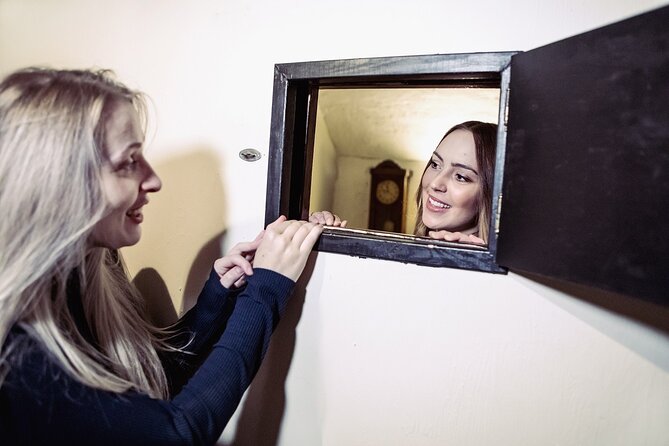
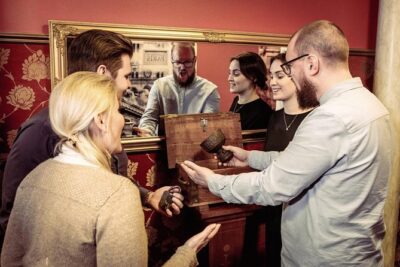
The unusual feature is the divided start. Your team begins in two rooms, with a wall separating the groups. You need to explain what you see and hear to people elsewhere, then work out which information belongs together. A clue that seems useless to one team may be exactly what the other team needs.
I like this setup because it gives everyone a job. In an ordinary escape room, one quick solver can dominate the table. Here, you need people watching different spaces and speaking clearly. The tradeoff is that poor communication can slow the whole group, especially when several clues appear at once.
Eventually, the two teams reunite for the final part of the mission. That return to one group gives the game a natural sense of progress, rather than making the split-room idea feel like a gimmick.
More escape rooms in Copenhagen:
- Da Vinci Escape Room
★ 5.0 · 344 reviews - Outbreak Escape Room
★ 5.0 · 122 reviews - Downfall Spy Mission (Premium Private Escape Room)
★ 5.0 · 79 reviews
What your 120 minutes looks like
Allow about two and a half hours for the full appointment, although the actual escape-room game lasts 120 minutes. The extra time covers the introduction, story setup, guidance, and the ending.
You meet at Aldersrogade 6A in Copenhagen’s 2100 district. The activity finishes at the same place. It is near public transportation, which is helpful because the venue is not presented as a central sightseeing stop that you can simply wander into during a visit to the old town.
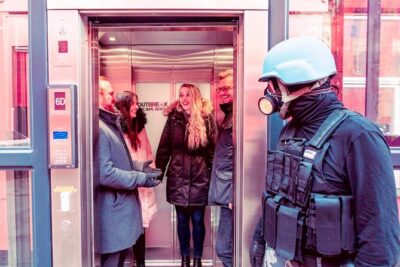
At the start, a costumed actor or game master sets the scene. The theatrical introduction is one of the experience’s strongest features. Ada and Mia have been praised for their role in introducing the mission, while Poppy, Ian, Roxanne, and Bastian have also hosted sessions. Their job is not only to explain the rules. They help turn a puzzle session into a period adventure.
Once the game starts, your team searches for information, tests connections, and works through the estate’s secrets. You may receive hints from the game master when you are stuck. The help is intended to keep the action moving, not simply hand you the solution.
The long time limit changes the feel of the game. You can spend more time on a difficult puzzle without immediately watching the clock run out. That does not make the room easy. The puzzles are regularly described as difficult, and one team finished with only 24 seconds left in a harder attempt.
Expect the final minutes to be tense. The added time gives you room to think, but the challenge still creates a proper finish.
Why the two-room design matters
The two-room structure is the reason I would choose this experience over a basic single-room escape game. It tests a skill that is easy to overlook: explaining a physical clue to someone who cannot see it.
You may need to describe where an object sits, what markings it has, or how several pieces relate to one another. That sounds simple until both groups are trying to talk at the same time. A calm speaker can be more valuable than the person who spots the clue first.
For a team-building event, this design has a clear advantage. You see how your group shares information, listens under pressure, and decides who handles each problem. A team can be clever and still struggle if it does not organize its conversation.
Group size matters. The room is generally recommended for six to twelve participants. With only four people, the challenge becomes harder because each side has fewer eyes and fewer voices. A larger group gives you more capacity to search and think, though very large groups can also create noise and duplicated effort.
For up to 12 people, you can also divide responsibilities naturally. Some participants can focus on searching, some on pattern recognition, and others on keeping track of what has already been tried. The private format means the group can develop its own rhythm without strangers affecting the game.
Puzzle difficulty and the role of the game master
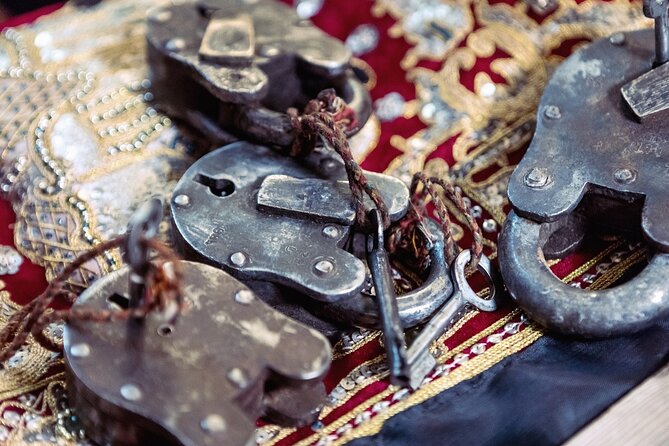
This is not the best choice if you want an easy introduction with clues falling into place quickly. The puzzles are designed to make you work, and several sessions have involved teams asking for useful hints.
That difficulty can be a plus. You get the satisfaction of solving something that initially looks unclear, and the two-room communication makes each answer feel like a group achievement. It can also be tiring if your party has mixed experience levels or if one or two people dislike being under time pressure.
The dedicated game master helps balance that problem. The host watches the game and can give guidance when your team needs a push. Poppy has been praised for offering helpful support, while Ian guided a family with children aged 11 and 14 using just enough assistance to help them finish.
You should not feel embarrassed about asking for a hint. The point is to keep the story moving and make the session enjoyable, not to prove that you can solve every clue without support. A good approach is to agree early that anyone can call for help when the group has stopped making progress.
The hosts also shape the tone. Costumes, acting, and period language give the mission a theatrical frame. This is more than a room full of combination locks, though the experience still depends heavily on the quality of your teamwork.
A few more Copenhagen half-days to weigh up
- Copenhagen: Canal Cruise with Guide
★ 4.6 · 9,115 reviews - Copenhagen: Hop-On Hop-Off Bus Tour with Boat Tour Option
★ 3.9 · 4,122 reviews - Private Walking Grand Tour of Copenhagen
★ 5.0 · 3,953 reviews - From Copenhagen: Lund and Malmö 2-Country Tour
★ 4.7 · 2,772 reviews
How the Sherlock theme works
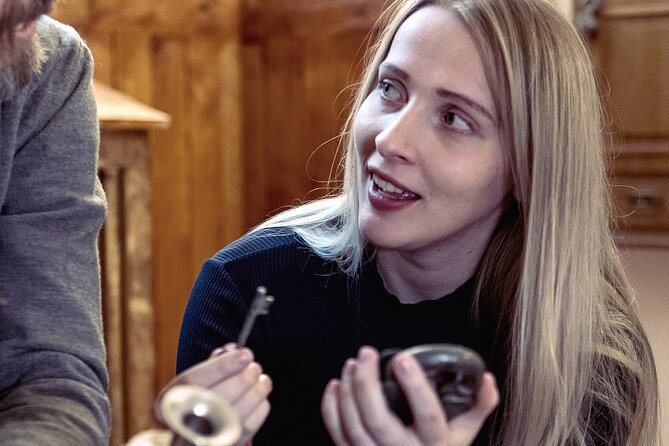
The setting uses a familiar detective world without requiring you to know the Sherlock Holmes stories. You do not need to study the books before arriving. The basic plot is explained at the beginning, and the goal is easy to understand: enter the estate and recover the photographs.
The British-agent role gives the group a shared identity. It also helps explain why communication and careful observation matter. You are not merely hunting for random codes. You are carrying out an assignment.
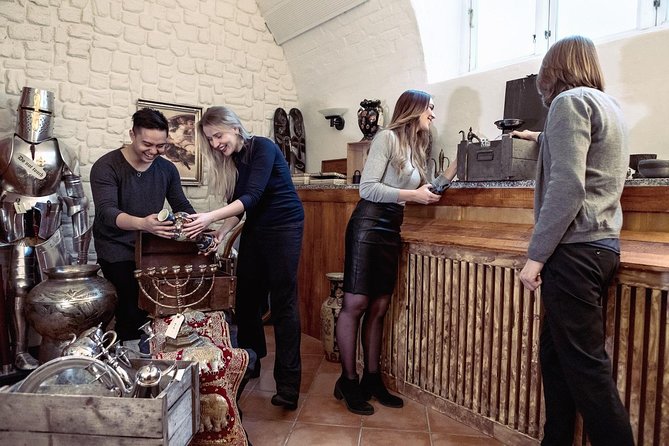
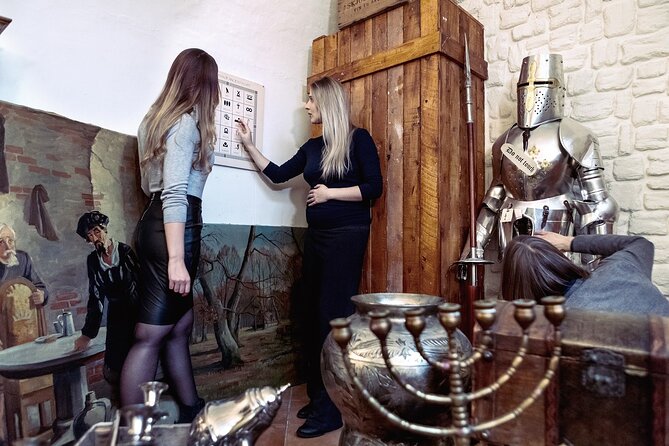
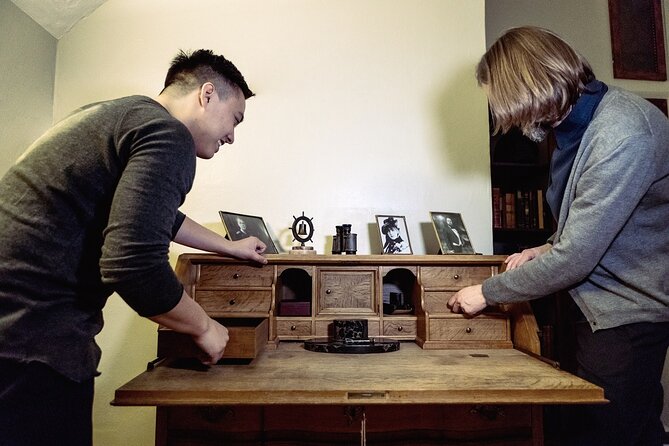
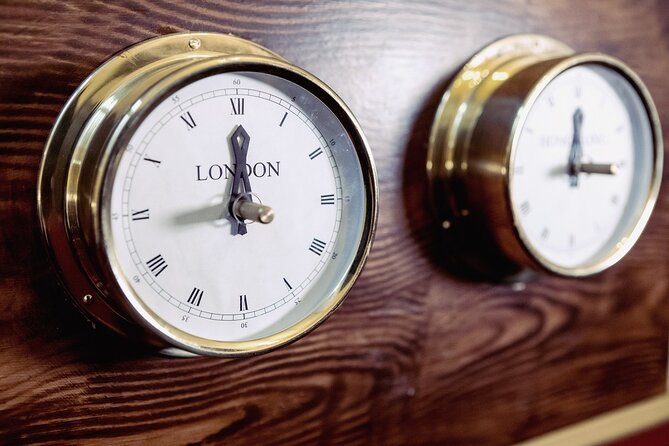
The strongest period detail comes through the acting, costumes, and atmosphere. A session with an actor in costume can make the opening feel like a piece of live theater. The room itself has been praised for its props and settings, which help keep the story present while you work.
Do not expect a museum-style history lesson about Denmark or the royal family. The historical setting is a backdrop for the game. Its purpose is to make the puzzles feel connected, not to provide a detailed account of 1902 Copenhagen.
Price, group size, and practical value
The listed price is $685.63 per group of up to 12 people. That is a steep total for a small party, but the calculation looks different with a full team. At 12 participants, it works out to about $57 per person. At six, it is about $114 per person, before any optional purchases.
That makes this a better fit for a birthday group, corporate team, family gathering, or a large group of friends than for a couple. A party of four can play, but the room is harder with fewer people, and the per-person cost rises sharply.
The price includes the private escape room, a dedicated guide or game master, and a picture of winning teams. Alcoholic drinks are not included, though they are available to purchase. Street parking costs DKK 9 per hour, so drivers should add that expense and allow enough time to park.
You select a preferred start time in the special requirements box when booking. Confirmation arrives within 48 hours, subject to availability. Since the activity is private, choosing a suitable time for your own group is easier than coordinating with an open public departure, but you should not treat the preferred time as guaranteed until confirmed.
The booking is non-refundable and cannot be changed for any reason. I would only reserve this after your group has agreed on the date, number of participants, and arrival time.
Families, first-timers, and team events
Children must be accompanied by an adult. The experience has worked for a family with children aged 11 and 14, both of whom enjoyed the game, but the difficult puzzles mean younger children may need regular help.
For a first escape room, this can be rewarding if you like riddles and group challenges. The 120-minute format gives you more breathing room than a standard session, and the game master can guide you. Still, I would explain the difficulty before booking so nobody expects a light afternoon activity.
For experienced players, the room offers more than a simple search-and-solve format. The split start, communication across rooms, and final reunion give the structure a useful twist. A group that has already played several escape rooms may appreciate the added coordination.
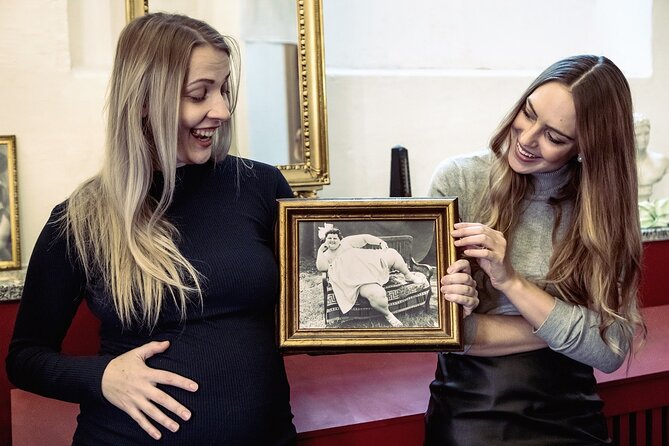
Team-building groups are a particularly good match. The room reveals who listens, who notices details, who organizes information, and who stays calm when a clue refuses to cooperate. The included team feedback has also been part of the appeal for company groups, though the available details do not specify exactly what that feedback contains.
What to bring and how to prepare
Arrive ready to talk. The biggest practical advantage you can give your group is a clear system for sharing information between the two rooms.
Before the clock starts, agree on a few simple habits:
- Say exactly where you found an item.
- Repeat important details so the other room hears them.
- Keep track of clues that have already been tested.
- Give quieter teammates room to speak.
- Ask for a hint before frustration takes over.
You do not need specialist Sherlock knowledge. You do need patience, curiosity, and a willingness to let other people lead for a while.
Wear something comfortable enough for two hours of standing and moving around the room. The supplied information does not specify a dress code or special equipment, so you should not need to bring anything beyond your booking details and your group.
After a successful finish, the team receives a winning photo. That is a small extra, but it gives a large group a shared record of the event.
Should you book the Sherlock Escape Room?
Book it if you want a private, story-led escape room that places real weight on communication. The two-room opening, costumed hosts, challenging puzzles, and long 120-minute session make it more involved than a quick beginner room.
It is especially suited to six to twelve people, families with older children, and work groups looking for a structured team activity. I would be cautious with a small party, a group that dislikes hard puzzles, or anyone looking for a cheap couple’s activity.
The value improves sharply when you fill most of the 12-person capacity. Confirm your time carefully, remember that the booking cannot be changed or refunded, and arrive prepared to share information clearly. If your group enjoys a challenge and does not mind asking for help, this Copenhagen experience offers a memorable way to spend an evening indoors.
FAQ
Where does the Sherlock Escape Room take place?
The meeting point is Aldersrogade 6A, 2100 København, Denmark. The activity ends back at the same location.
How long does the experience last?
The full appointment takes approximately two and a half hours. The escape-room game itself lasts 120 minutes.
How many people can join?
The private booking allows up to 12 participants. The room is generally recommended for groups of six to twelve people.
Is the escape room private?
Yes. Only your own group participates in the activity.
What is the story?
You play British agents in 1902. Your mission is to break into Danish Colonel Holtenberg’s estate and find secret photographs connected with Prince Edward VI.
Does the group start in one room?
No. The experience begins with the group divided between two rooms. You must communicate with the other team before the groups reunite for the final tasks.
Is a game master included?
Yes. A dedicated guide or game master is included and can provide help during the game.
Can children participate?
Children can participate, but they must be accompanied by an adult. The experience has been suitable for children aged 11 and 14, though the puzzles can be difficult.
What does the price include?
The price of $685.63 covers one private group of up to 12 people, the escape room, a dedicated guide or game master, and a picture of winning teams. Alcoholic drinks and parking are not included.
Just added around Copenhagen
- Copenhagen Walking Tour with Food Testing (smorrebrod dish & snap)★ 4.5 · 10 reviews
- a day at North Zealand Castle Tour★ 4.5 · 19 reviews
- walking tour – Copenhagen and Christiansborg 3 hours★ 4.0 · 7 reviews
- Small Group Guided Food Tour and Street Art Visit to Norrebro★ 5.0 · 9 reviews
- The Philosopher’s Last Walk: An audio tour on the life of Søren Kierkegaard★ 4.5 · 5 reviews
- The Six Forgotten Giants Trolls Hunt with Minibus★ 4.5 · 27 reviews
- The Foodie Tour of Copenhagen★ 5.0 · 14 reviews
- The Forgotten Giants Private Tour★ 5.0 · 3 reviews
Escape Rooms, compared.

Browse the lists this tour appears in