
Reviewed · COPENHAGEN TOURS
The Art of Baking Danish Pastry
The real treat here is not simply eating a Danish pastry. It is learning why the dough behaves as it does, then turning it into cinnamon rolls, spandauer, and poppy seed and sesame twists. Chef Frederik Terrible leads the class with clear instructions, a firm hand, and enough humor to keep three and a half hours moving.
I like the hands-on format and the useful take-home value. You work with the dough yourself, drink coffee and tea while the pastries bake, and leave with recipes emailed to you. I also like the small class size, capped at 12 people, which gives Frederik time to check your work. The main drawback is practical: you make a great deal of pastry, so you need a plan for carrying it, sharing it, or eating it.
Key points to know before booking
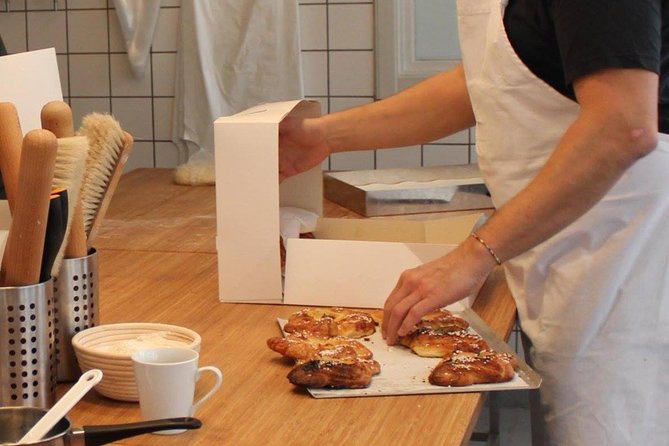
- Expect a serious pastry haul: You may leave with two full boxes, and some participants have made around a dozen pastries each.
- The class begins at 9:00 a.m.: This gives you the rest of the day for Copenhagen sightseeing, but you must reach Frederiksberg on time.
- Frederik Terrible teaches step by step: His directions are clear, though he can speak quickly while you are shaping the dough.
- You work with classic Danish bakes: The menu includes kanelsnegle cinnamon rolls, spandauer Danish pastry, and frøsnapper poppy seed and sesame twists.
- The recipes come later by email: You can try the techniques again at home instead of treating the class as a one-off holiday activity.
- The location is outside central Copenhagen: The meeting point is near public transport, but finding the entrance may take extra care.
What happens during the 3.5-hour class
You meet at 9:00 a.m. at Grundtvigsvej 10A in Frederiksberg, west of Copenhagen’s center. The activity begins and ends at this address, so you do not need to arrange transport between different cooking sites.
The class opens with a demonstration of the basic pastry methods. Frederik covers kneading, rolling, and folding before asking you to put those skills to work. That order matters. Danish pastry can look simple in a bakery case, but the dough needs careful handling, and the folding stage is where much of the texture is created.
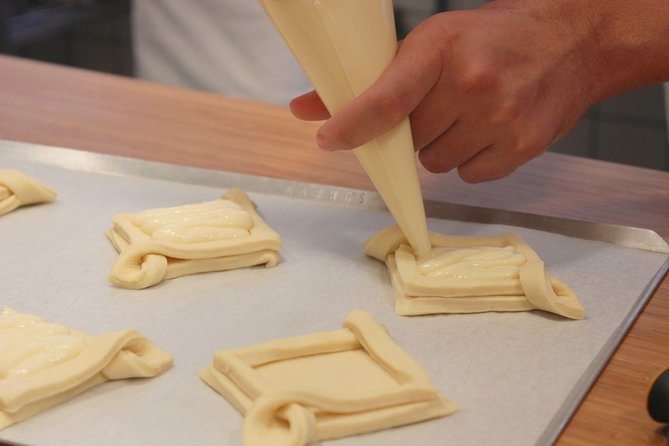
You should expect to stay active. This is not a demonstration where you sit back and watch a chef do everything. You shape the dough, add fillings, form the pastries, and follow each stage as the class moves forward. Frederik checks the work around the room and helps when a piece of dough or filling does not quite cooperate.
The pace is brisk. That keeps the morning useful, with little wasted time, but you need to listen closely when the next instruction is given. If you are new to baking, ask questions as you work rather than waiting until the class has moved on. One useful point from the class format is that the preparation and instructions are arranged to help beginners keep up.
Once the pastries go into the oven, you get a short break with tea and coffee. Then comes the best part: tasting what you made. You also pack up a large quantity to take away, which turns the class into both a lesson and a portable Copenhagen souvenir.
Other Copenhagen days people book alongside this one:
- Copenhagen: Canal Cruise with Guide
★ 4.6 · 9,115 reviews - Copenhagen: Hop-On Hop-Off Bus Tour with Boat Tour Option
★ 3.9 · 4,122 reviews - Private Walking Grand Tour of Copenhagen
★ 5.0 · 3,953 reviews
The pastries you learn to make
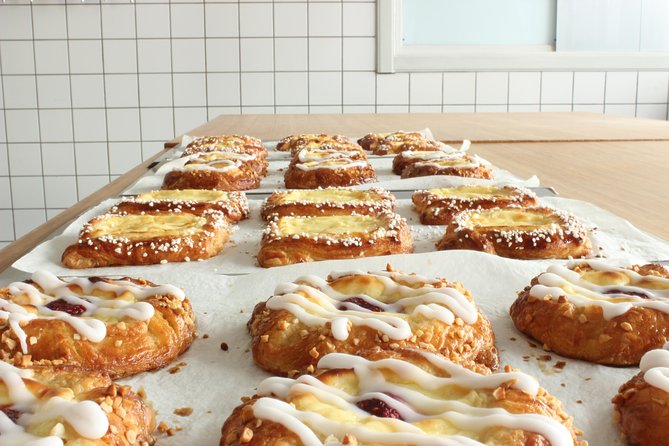
The menu centers on three familiar Danish favorites.
Kanelsnegle, or cinnamon rolls, are the comforting choice: sweet, spiced, and easy to recognize. Making them yourself shows how much the finished pastry depends on even rolling, filling, and shaping. They are also the easiest pastries to share later, since most people know exactly what they are getting.
Spandauer is the classic Danish pastry form many people picture when they think of a bakery window in Denmark. It gives you practice with shaping the dough and working with a filled center. The pastry is a useful lesson in balance, since the dough must hold its form while still baking into a light, tender result.
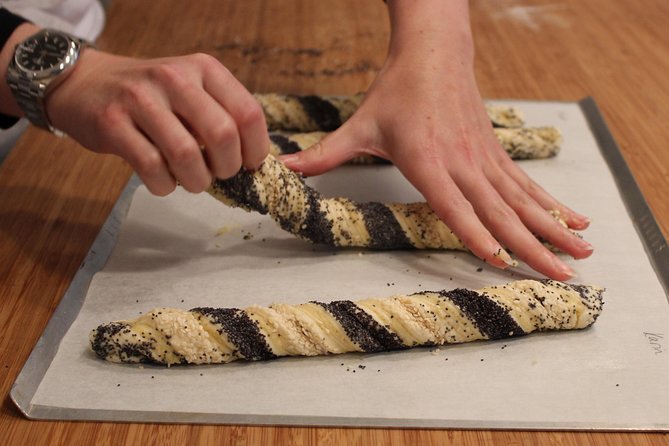
Frøsnapper, the poppy seed and sesame twist, adds a different shape and texture. The seeds make it look distinctive, and the twisting gives you another way to handle the dough. This is the kind of pastry that can disappear quickly once the boxes are opened, so do not assume your take-home supply will last as long as planned.
The class may also include additional pastry work depending on the session. The safest expectation is several styles rather than one single bake. You will get a broad introduction to Danish pastry techniques, not a full professional baking course.
Why the small class size helps
The maximum group size is 12 people. That is large enough to create a social morning, but small enough for Frederik to move around and offer individual help.
This matters most during rolling and shaping. A written recipe cannot tell you exactly how firm the dough should feel or how tightly a twist should be formed. A teacher who can look at your work and correct it in the moment saves you from guessing.
The class also has a friendly group element. You are working beside people from different places, with a shared task and a common reward at the end. It is an easy setting for couples, families, solo visitors, and food-loving friends. One family group even included daughters, and a late arrival was able to catch up with help from the chef. Still, I would not plan to arrive late. The lesson builds from one stage to the next, and missing the first dough work would make the rest harder.
Frederik’s teaching style is part of the appeal. He is described as patient, funny, organized, and firm. That combination suits baking. You want encouragement, but you also want someone to explain when a technique needs to be done correctly.
Getting to Grundtvigsvej 10A
Frederiksberg is not in Copenhagen’s central sightseeing area, so allow time to reach the meeting point. The address is near public transport, and one practical option used by a participant was bus 31, followed by some walking.
Take care with the entrance. The actual access point may be around the other side of the street from where Apple Maps or Google Maps places the marker. Look for the correct entrance rather than assuming the first mapped point is the door.
This is a morning class, beginning at 9:00 a.m., so transport planning is worth doing the night before. The early start is useful because your afternoon remains open for museums, shopping, or a walk around Copenhagen. The tradeoff is that you cannot treat this as a slow breakfast activity. You need to be awake, fed enough to concentrate, and ready to work.
The class ends back at the meeting point. Since you leave with a large amount of pastry, bring a way to carry it comfortably. The exact quantity may vary, but several participants have taken home two boxes or around 12 pastries per person.
A few more Copenhagen half-days to weigh up
- From Copenhagen: Lund and Malmö 2-Country Tour
★ 4.7 · 2,772 reviews - Copenhagen Highlights Walking Tour
★ 5.0 · 2,324 reviews - Copenhagen: Highlights 3 Hour Bike Tour with a Local Guide
★ 4.8 · 2,312 reviews - Hamlet and Sweden Tour – Two Countries in one day !
★ 5.0 · 2,223 reviews
Is $117.23 a fair price?
At $117.23 per person, this costs more than simply buying a pastry and coffee at a Copenhagen bakery. That comparison misses the point. You are paying for about three and a half hours of instruction, ingredients, equipment, tasting, drinks, a large take-home supply, and recipes for future use.
The value is strongest if you enjoy cooking or want an activity with a real skill attached to it. The emailed recipes mean the class can continue at home. You are not only collecting food for the day. You are learning methods you can repeat, including how to work with dough, fillings, and different pastry shapes.
The price may feel less worthwhile if you are looking for a quick food stop or a short sightseeing activity. This is a substantial morning commitment. You spend most of the time standing, shaping, and baking, and you may need to share much of the finished food.
For a couple, the class can replace another paid morning activity while giving you something tangible to take away. For a family, it offers a shared project, but younger children would need to manage a fairly fast pace and careful instructions. For a solo visitor, the small group makes it easier to meet people without the class feeling like a large workshop.
What to do with all those pastries
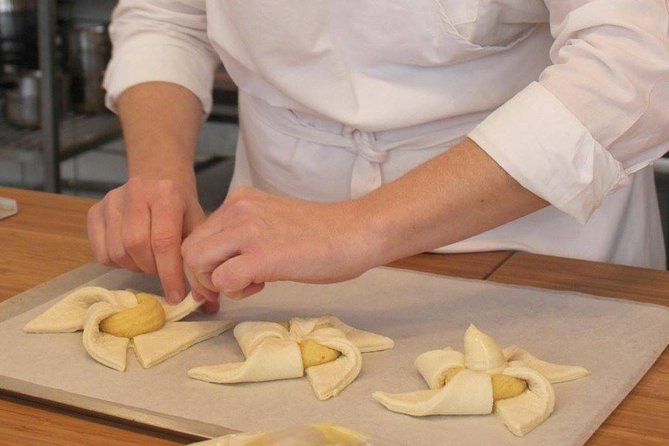
Plan this part before you book. The class is generous with dough and fillings, and the result can be far more pastry than one person can eat.
You can use the box as a picnic supply, share it with family, or bring some back to your hotel. You might also choose the class early in your Copenhagen stay so you have more time to enjoy the pastries during the trip. Booking it on the final day is still possible, but it creates a problem if you are flying soon afterward.
The pastries are a better souvenir than many small purchases because they connect directly to what you learned. Still, they are fresh food, not a durable gift. If you plan to take them to other people, think about timing and storage before the class begins.
The class includes tea and coffee for tasting time, but do not count on the pastries as your only meal plan. The information provided does not describe a full breakfast or lunch. I would treat this as a baking workshop with refreshments, not as a replacement for a proper meal.
Who will enjoy this class most?
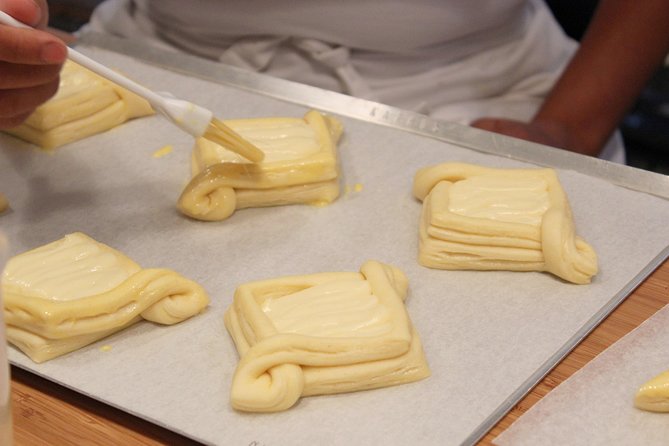
I would choose this for:
- Food lovers who want to understand Danish baking rather than only sample it
- First-time bakers who like clear instruction and hands-on work
- Couples seeking a shared activity away from the usual sightseeing route
- Families with older children who can follow a quick, practical lesson
- Visitors who want recipes and skills to take home
- Anyone with a free Copenhagen morning and room in their luggage or hotel room for pastry boxes
I would think twice if you dislike structured activities, have little interest in baking, or need a very relaxed morning. The class is friendly, but it is not passive. You will be busy for most of the session.
It is also not ideal for someone who wants to sample only one or two pastries. You make several kinds, and the quantity is part of the experience. That generosity is a benefit for some people and a logistical nuisance for others.
Booking and cancellation details

The class is popular enough that it is booked an average of 70 days ahead, so reserve early if your Copenhagen dates are fixed. Confirmation is sent within 48 hours, subject to availability.
The activity requires a minimum number of participants. If that minimum is not reached and the class is canceled, you are offered another date or experience, or a full refund. Your own booking is otherwise non-refundable and cannot be changed for any reason, so choose the date carefully.
Should you book The Art of Baking Danish Pastry?
Yes, if you want an active food experience and like the idea of returning home with both pastry and practical recipes. The class earns its price through the amount of instruction and food provided, while the small group and attentive teaching make it approachable for beginners.
Book it near the start of your stay if you want time to eat and share the pastries. Choose the last morning only if you have a plan for carrying them away. And arrive with enough time to find the entrance at Grundtvigsvej 10A.
I would skip it only if you want a quick tasting or have no interest in baking. For everyone else, this is a productive, generous Copenhagen morning with a sweet payoff.
FAQ
Where does the Danish pastry class take place?
The class meets at Grundtvigsvej 10A, 1864 Frederiksberg, Denmark. It begins and ends at the same meeting point.
What time does the class start?
The start time is 9:00 a.m.
How long does the activity last?
The class lasts approximately 3 hours and 30 minutes.
How many people can join?
The maximum group size is 12 participants.
Is the class taught in English?
Yes. The experience is offered in English.
Which pastries will I make?
The listed pastries are cinnamon rolls called kanelsnegle, spandauer Danish pastry, and poppy seed and sesame seed twists called frøsnapper.
Are drinks included?
Tea and coffee are served while you taste the finished pastries.
Do I receive the recipes?
Yes. The recipes used in the class are emailed to you afterward.
Can I cancel or change my booking?
The experience is non-refundable and cannot be changed for any reason. If the provider cancels because the minimum number of participants is not reached, you are offered another date or experience, or a full refund.
Just added around Copenhagen
- Copenhagen Walking Tour with Food Testing (smorrebrod dish & snap)★ 4.5 · 10 reviews
- a day at North Zealand Castle Tour★ 4.5 · 19 reviews
- walking tour – Copenhagen and Christiansborg 3 hours★ 4.0 · 7 reviews
- Small Group Guided Food Tour and Street Art Visit to Norrebro★ 5.0 · 9 reviews
- The Philosopher’s Last Walk: An audio tour on the life of Søren Kierkegaard★ 4.5 · 5 reviews
- The Six Forgotten Giants Trolls Hunt with Minibus★ 4.5 · 27 reviews
- The Foodie Tour of Copenhagen★ 5.0 · 14 reviews
- The Forgotten Giants Private Tour★ 5.0 · 3 reviews
Copenhagen Tours, compared.

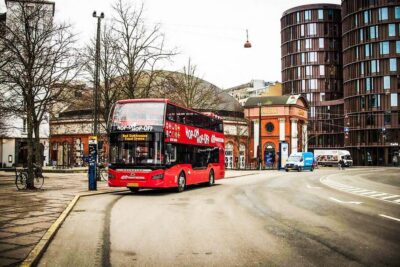
Hop-On Hop-Off Bus Tour with Boat Tour Option
Read our review →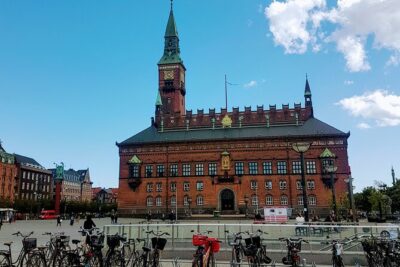
Highlights 3 Hour Bike Tour with a Local Guide
Read our review →
Hamlet and Sweden Tour – Two Countries in one day !
Read our review →
Browse the lists this tour appears in