

Reviewed · ARCHITECTURE & DESIGN TOURS
Copenhagen: Danish Architecture Center Entrance Ticket
The Danish Architecture Center puts Copenhagen’s built world under a bright light, from Viking-age traditions to today’s cycle bridges, harbor baths, and welfare-focused design. The 40-meter DAC Slide adds a playful twist, while the rooftop terrace gives you a broad view over the harbor and historic city.
I like the way the center connects architecture with ordinary Danish life, not just famous buildings. I also like the mix of serious exhibitions and family-friendly touches, especially the slide. The main consideration is that the experience is self-guided, so visitors looking for a formal tour or a named guide may find it less personal.
Key points to know before you go

- The 40-meter DAC Slide gives the museum visit a memorable, hands-on finish.
- BLOX sits directly on Copenhagen’s harbor, with views toward historic buildings, cycle bridges, and harbor baths.
- Changing exhibitions cover architecture, design, Danish society, and the way buildings shape daily life.
- One ticket includes all open exhibitions, the slide, and access to the rooftop café.
- The $19 price is most useful if you plan enough time for several exhibitions and the views.
- The entrance is below ground, reached by stairs or escalators from Bryghuspladsen.
Starting at BLOX beside Copenhagen’s harbor
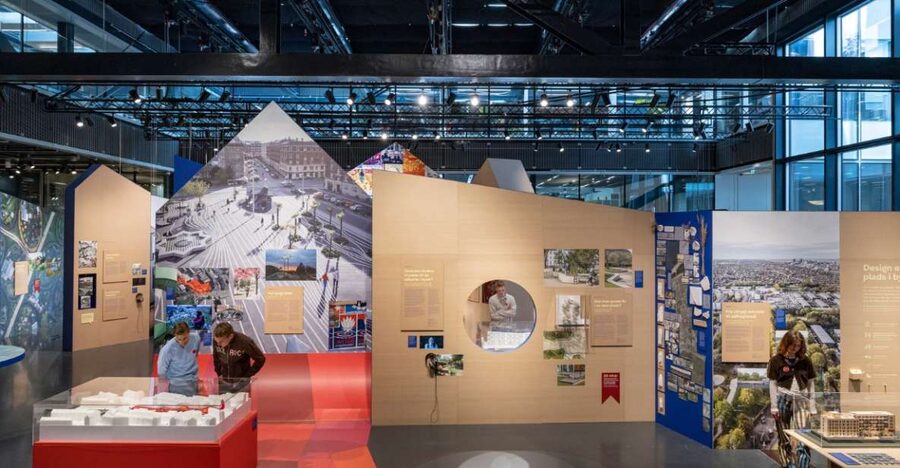
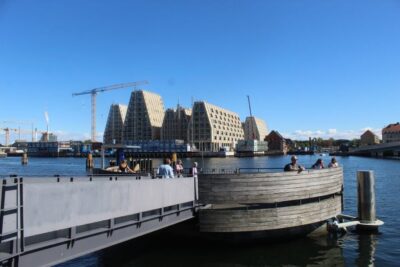
The Danish Architecture Center, usually called DAC, occupies part of the striking BLOX building on Copenhagen’s waterfront. The setting matters. You are not visiting an isolated gallery tucked away from the city. You are looking directly at the built environment the center discusses, including the harbor, historic city, cycle bridges, and public swimming areas.
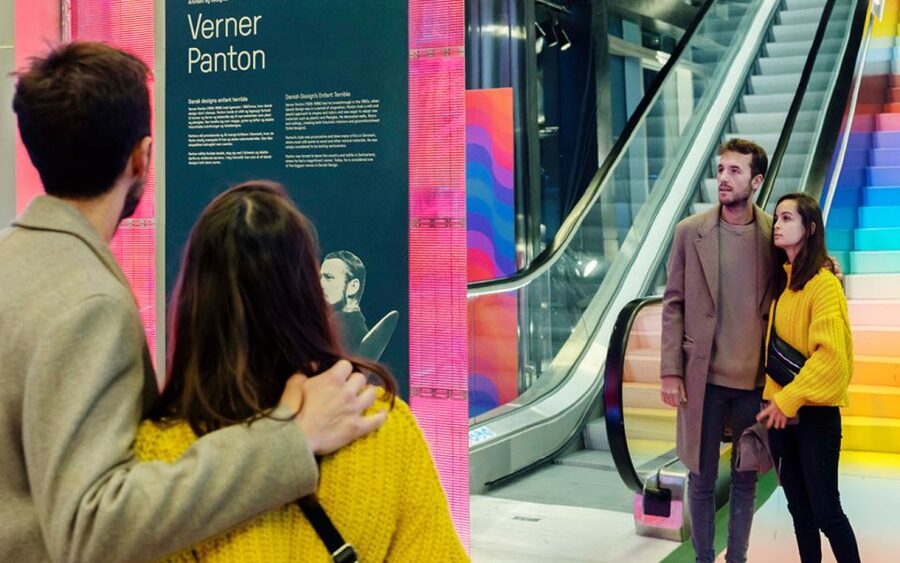
Getting inside takes a little attention. The entrance is below ground, so from Bryghuspladsen you follow the stairs or escalators down to the center. This is worth knowing before you arrive, especially if you are expecting a street-level museum doorway.
Once inside, the building itself becomes part of the experience. BLOX is a contemporary structure in a central harbor setting, and DAC uses that location to frame its exhibitions. I like this approach because the city outside becomes an example to consider, not just scenery between museum rooms.
The center is open to children, adults, architecture enthusiasts, and curious visitors with no design background. You do not need to know architectural terms to get something from it. The displays focus on how buildings and urban planning affect the way you work, move, live, and spend time together.
More architecture and design walks in Copenhagen:
- Copenhagen: Guided Architecture and Sustainability Tour
★ 4.8 · 73 reviews - Copenhagen Architecture and Sustainability Tour with local Guide
★ 5.0 · 39 reviews - Copenhagen: Harbor Architecture Private Walking Tour
★ 4.8 · 4 reviews
Exhibitions that explain Danish life through design
The strongest part of DAC is its changing exhibition program. Since displays rotate, the exact content can vary on your visit, but the broad purpose remains consistent: to show how architecture combines function, art, and design.
One exhibition focus is welfare architecture. That phrase may sound academic, but the subject is practical. It looks at the built framework of everyday Danish society, where schools, homes, public spaces, and shared facilities are shaped around use as well as appearance.
I appreciate this social angle. You are not simply asked to admire a handsome building. You are encouraged to think about who the building serves, how people move through it, and what values are expressed in its layout.
The center also presents Danish architecture from the Viking age through the present day. This long view helps place modern Danish design in context. Rather than treating contemporary buildings as a sudden break from the past, the displays can help you see how ideas about materials, community, practicality, and public life have developed over time.
Because the exhibitions change, I would check what is on before booking if one specific topic matters to you. The general DAC experience is broad, but the appeal of a particular visit may depend on the current displays.
The DAC Slide adds fun without feeling like a sideshow

The 40-meter DAC Slide is one of the center’s most distinctive features. It gives you a quick ride through the building and brings a physical, playful element to a subject that can otherwise involve a lot of reading and looking.
I like that this is included with the entry ticket rather than treated as a separate attraction. It makes the visit easier for families and gives adults a reason to loosen up a little. Architecture is about how people use space, and the slide makes that idea immediate.
The slide may also help younger visitors stay engaged while adults spend more time with the exhibitions. If you are visiting with children, this feature could be the difference between a museum stop that works for everyone and one that feels like an assignment.
The center does not present the slide as a replacement for the exhibitions. Think of it as a memorable feature within a wider architecture center. You will get more value from the $19 ticket if you treat it as one part of the visit, not the entire reason to go.
Rooftop views over the old city and harbor
Entry includes access to the rooftop café area, even though food and drinks cost extra. This gives you a chance to pause, look out over Copenhagen, and connect the exhibitions with the real city around you.
The view takes in the historic city, harbor, cycle bridges, and harbor baths. Those details are especially useful after an exhibition about urban design. You can look down at the public spaces and transportation routes rather than considering architecture only through photographs or models.
I would save the rooftop for a natural break instead of rushing there first. The café is a good place to gather your thoughts, take in the view, and decide how much more time you want to spend inside.
The rooftop area is not included as a meal or drink package. You pay separately for anything you buy there. Still, access to the space adds value, especially if you want a harbor view without building a separate sightseeing stop around it.
A few more Copenhagen half-days to weigh up
- Copenhagen: Canal Cruise with Guide
★ 4.6 · 9,115 reviews - Copenhagen: Hop-On Hop-Off Bus Tour with Boat Tour Option
★ 3.9 · 4,122 reviews - Private Walking Grand Tour of Copenhagen
★ 5.0 · 3,953 reviews - From Copenhagen: Lund and Malmö 2-Country Tour
★ 4.7 · 2,772 reviews
What the visit feels like from start to finish
A sensible visit begins with the current exhibitions. Start by reading the introductory material and then move through the displays at your own pace. The subjects can range from historic Danish architecture to modern design and the role of buildings in society.
Give yourself time to notice the practical questions behind the displays. Ask how the spaces are used, who they are designed for, and how design affects daily habits. That approach will help if you are new to architecture because it turns abstract ideas into familiar experiences.
After the exhibitions, make time for the DAC Slide. It is a short activity, but it gives the visit a change of pace. If you are with children, you may want to plan around it rather than leaving it until everyone is tired.
Finish with the rooftop café area and harbor view. You can buy food or drinks if you want them, but purchases are not required for access to the area. From above, the surrounding city gives you a useful visual reference for the themes inside.
The ticket is valid for one day, with starting times dependent on availability. That arrangement gives you some flexibility, but you should still check the available time when booking. The activity ends back at the center, with no separate transportation or walking route involved.
Is $19 a fair price?
At $19 per person, DAC is reasonably priced if you want a focused cultural stop rather than a quick photo opportunity. The ticket includes all open exhibitions, the 40-meter slide, and access to the rooftop café area.
The value depends on how you use it. If you race through the center, take one slide ride, and leave, the cost may feel high for the amount of time spent. If you read the exhibitions, consider the Danish social themes, enjoy the city view, and use the slide, the price makes more sense.
I especially see value for first-time visitors to Copenhagen who want context for the city. The center can help explain why public space, cycling routes, harbor access, and functional design matter so much in the Danish capital.
Families may also find the price easier to justify because the visit offers several kinds of interest in one place. Adults get architecture and design, while children get a hands-on feature and a change of scenery.
The rooftop café is an added benefit, but do not confuse access with included refreshments. Food and drinks are separate purchases, so factor that into your budget if you plan to linger there.
Who will enjoy DAC most?
I would recommend DAC to anyone curious about how a city works. You do not need specialist knowledge, and the displays are designed for a broad audience.
It suits:
- First-time Copenhagen visitors seeking cultural context
- Architecture and design fans
- Families wanting a museum with an active feature
- Visitors interested in Danish society and public spaces
- People who enjoy combining exhibitions with city views
- Anyone looking for a central indoor stop beside the harbor
It may be less satisfying if you want a guided walking tour, a detailed explanation of every building in Copenhagen, or a single permanent collection. The center focuses on changing exhibitions, so the exact experience depends on what is open during your visit.
The available languages are Danish and English. The center is wheelchair accessible, which makes it a practical option for a wide range of visitors. The supplied information does not give details about every access route or facility, so you may want to confirm any specific needs before arrival.
How DAC fits into a Copenhagen day

The center’s central harbor location makes it easy to connect with other city sightseeing, though the ticket itself covers only DAC. You can make it a short cultural stop or allow enough time to engage with several exhibitions and take a rooftop break.
I would not schedule it as a rushed gap between fixed appointments. The changing exhibitions reward attention, and the value of the ticket improves when you let the visit unfold at a comfortable pace.
The harbor setting also gives you a useful transition between indoor and outdoor Copenhagen. After seeing how the center discusses design and public life, you can continue looking at the bridges, waterfront spaces, and city buildings around BLOX with a more informed eye.
This is one reason I find the center more useful than a museum that simply presents beautiful objects. DAC asks you to connect the ideas inside with the streets outside.
Booking flexibility and practical details
You can reserve now and pay later, which is useful if your Copenhagen plans are still shifting. Free cancellation is available up to 24 hours before the activity for a full refund.
The ticket is valid for one day, but you need to check availability for the starting time. The host or greeter language is Danish or English, and the listed activity does not promise a guided tour in either language.
The entrance is at the center below ground, reached from Bryghuspladsen by stairs or escalators. Plan for that layout instead of searching for a large street-level entrance.
The visit returns to the same meeting point. There is no separate end location to arrange transportation from, which keeps the logistics simple.
Should you book the Danish Architecture Center?
Book DAC if you want a thoughtful Copenhagen attraction that links architecture with Danish society, public life, and design. The harbor setting, changing exhibitions, rooftop access, and 40-meter slide give the visit more variety than a standard gallery stop.
I would especially choose it for a first visit to Copenhagen, a family day, or a rainy afternoon when you still want to understand the city rather than simply wait out the weather. The $19 ticket is fair when you spend time with the exhibitions and use the rooftop area.
Skip it if you are looking only for a guided tour or a fast list of famous buildings. For everyone else, DAC offers a clear look at how Danish design shapes ordinary life, with enough fun to keep the experience from becoming too serious.
FAQ
Where is the Danish Architecture Center located?
It is in the BLOX building in central Copenhagen, directly on the harbor front. The entrance is below ground and reached by stairs or escalators from Bryghuspladsen.
What does the ticket include?
The ticket includes entry to the Danish Architecture Center, all open exhibitions, the DAC Slide, and access to the rooftop café area.
Is the 40-meter DAC Slide included?
Yes. Entry to the DAC Slide is included with the ticket.
Are food and drinks included?
No. Food and drinks at the rooftop café cost extra, although access to the rooftop café area is included.
How long is the ticket valid?
The ticket is valid for one day. You should check availability for the available starting time.
Is the Danish Architecture Center wheelchair accessible?
Yes, the activity is listed as wheelchair accessible.
Can I cancel my booking?
Yes. You can cancel up to 24 hours in advance for a full refund. You can also reserve now and pay later.
Just added around Copenhagen
- Copenhagen Walking Tour with Food Testing (smorrebrod dish & snap)★ 4.5 · 10 reviews
- a day at North Zealand Castle Tour★ 4.5 · 19 reviews
- walking tour – Copenhagen and Christiansborg 3 hours★ 4.0 · 7 reviews
- Small Group Guided Food Tour and Street Art Visit to Norrebro★ 5.0 · 9 reviews
- The Philosopher’s Last Walk: An audio tour on the life of Søren Kierkegaard★ 4.5 · 5 reviews
- The Six Forgotten Giants Trolls Hunt with Minibus★ 4.5 · 27 reviews
- The Foodie Tour of Copenhagen★ 5.0 · 14 reviews
- The Forgotten Giants Private Tour★ 5.0 · 3 reviews
Architecture & Design Tours, compared.

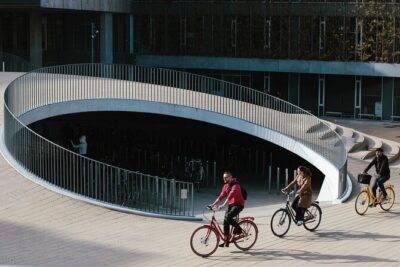
Copenhagen Architecture and Sustainability Tour with local Guide
Read our review →
Browse the lists this tour appears in